
Youth Baseball Training Plans for Middle School Athletes
Looking for a training plan for middle school baseball players? Here's a complete weekly guide with drills, workouts, and focus areas to help 12–14 year-olds build skills and confidence.
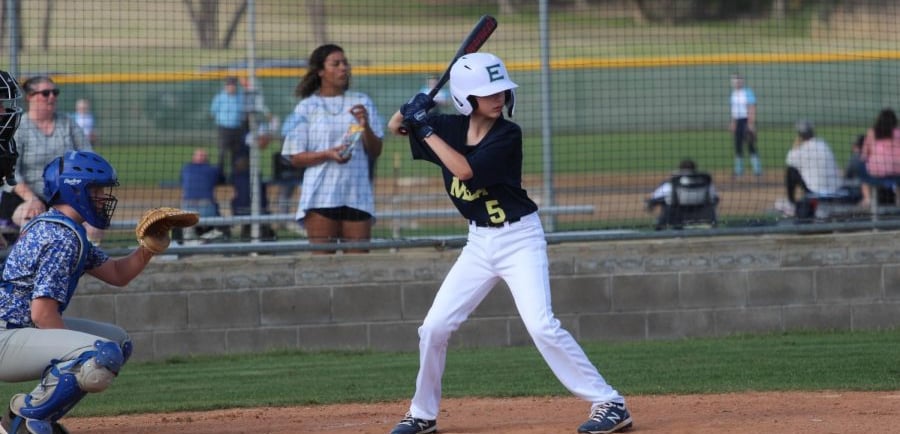
Middle school is a critical development stage for baseball players. Ages 12–14 are when players transition from basic fundamentals to more serious athletic training. It’s when mechanics start to stick, body changes accelerate, and the path toward high school ball begins.
Whether your player is just learning to compete or already aiming for varsity and beyond, having a structured training plan is key.
This article outlines how to train middle school baseball players the right way — with skill progression, injury prevention, and long-term development in mind.
Why Middle School Training Matters
At this age, players are developing:
Strength and coordination
Foundational swing and throwing mechanics
Baseball IQ and decision-making
Confidence and identity as an athlete
Too much unstructured or unbalanced training can cause frustration or injuries. Too little training slows development just as players begin to compete more seriously.
That’s why we recommend a smart, age-appropriate weekly routine.
Weekly Baseball Training Plan for Ages 12–14
Here’s a sample schedule for a player who’s in-season or preparing for competitive play. It assumes 4–5 days of baseball activity per week (team + individual):
Monday – Light Throwing + Mobility
10–15 minutes of arm circles and band work
10–15 minutes of long toss (50–90 ft)
15 minutes of mobility + bodyweight strength (core, hips, shoulder stability)
5–10 minutes of mental visualization
Focus: Recovery from weekend games, arm health, low-impact skill work
Tuesday – Hitting + Defense
10 minutes of tee work (contact points, line drives)
20 minutes of front toss + batting practice
15 minutes of fielding reps (ground balls, glove transfers)
15 minutes of footwork/agility ladder
Optional: 10–15 minutes of swing video review or HitTrax data analysis
Focus: Hitting timing, defense fundamentals, efficient movement
Wednesday – Strength Training + Light Skill Work
30–45 minutes of age-appropriate strength (bodyweight squats, lunges, medicine ball throws, band-resisted rotations)
10–15 minutes of dry swings or wall-ball drills
Core/mobility to finish (planks, hip flexor stretches, shoulder care)
Focus: Athletic base development, movement patterns, injury prevention
Thursday – Game-Like Situations + Speed
Live BP or simulated at-bats
Pitch recognition drills (bounce, spin, take/attack)
10–15 minutes of sprint and base-running work
Finish with reaction drills (cone changes, quick hands)
Focus: Competitive mindset, timing, explosiveness
Friday – Optional / Review Day
Film study or stat review
Light tee or toss work (if not fatigued)
Mental reps: visualization, approach strategy, pitch sequences
Rest and hydration
Focus: Recharge and prepare for weekend games
Key Areas to Prioritize at This Age
Consistency Over Intensity
Shorter, focused workouts 4–5 days per week are more effective than 1–2 long days.Balanced Development
Include hitting, throwing, defense, mobility, and mental work. Avoid overtraining one area.Mechanical Efficiency
This is the right time to reinforce proper swing and throwing mechanics before bad habits form.Injury Prevention
Prioritize arm care, shoulder strength, hip mobility, and core control.Growth-Aware Training
Athletes at this age grow rapidly — training must adapt to their physical development.
Common Mistakes to Avoid
Skipping strength and mobility work
Training without a clear focus or progression
Copying high school or college-level routines
Over-scheduling with no time for rest or fun
Focusing only on reps instead of quality
How Swing Lab Helps Middle School Players Excel
At Swing Lab, we specialize in developing 11–14 year-old athletes by combining:
Age-appropriate swing development
Data-driven assessments using HitTrax
Strength, coordination, and movement training
Custom plans to build long-term athletic foundations
We don’t just help kids “hit more.” We help them build confidence and prepare for the next level — physically and mentally.
Final Thoughts
Middle school is when baseball becomes more than just a game — it becomes a craft. Having a smart training plan can make all the difference between stalling out and standing out.
Structure matters. Reps matter. Confidence matters.
Want help building your player’s personalized development plan? Book an evaluation at Swing Lab and get a roadmap that fits your athlete’s goals, age, and schedule.
from: mckinney christian academy
Excuses don't get walk-offs
get in the lab:
info@lexasport.com
+1 (972) 638-0872
© 2025. All rights reserved.
NTX Swing Lab is a division of LEXA Sport