
What Age Should Baseball Players Start Using Wood Bats?
Curious about when to introduce wood bats into your child’s training? Learn why, when, and how to make the switch — and how it can benefit your athlete’s development.
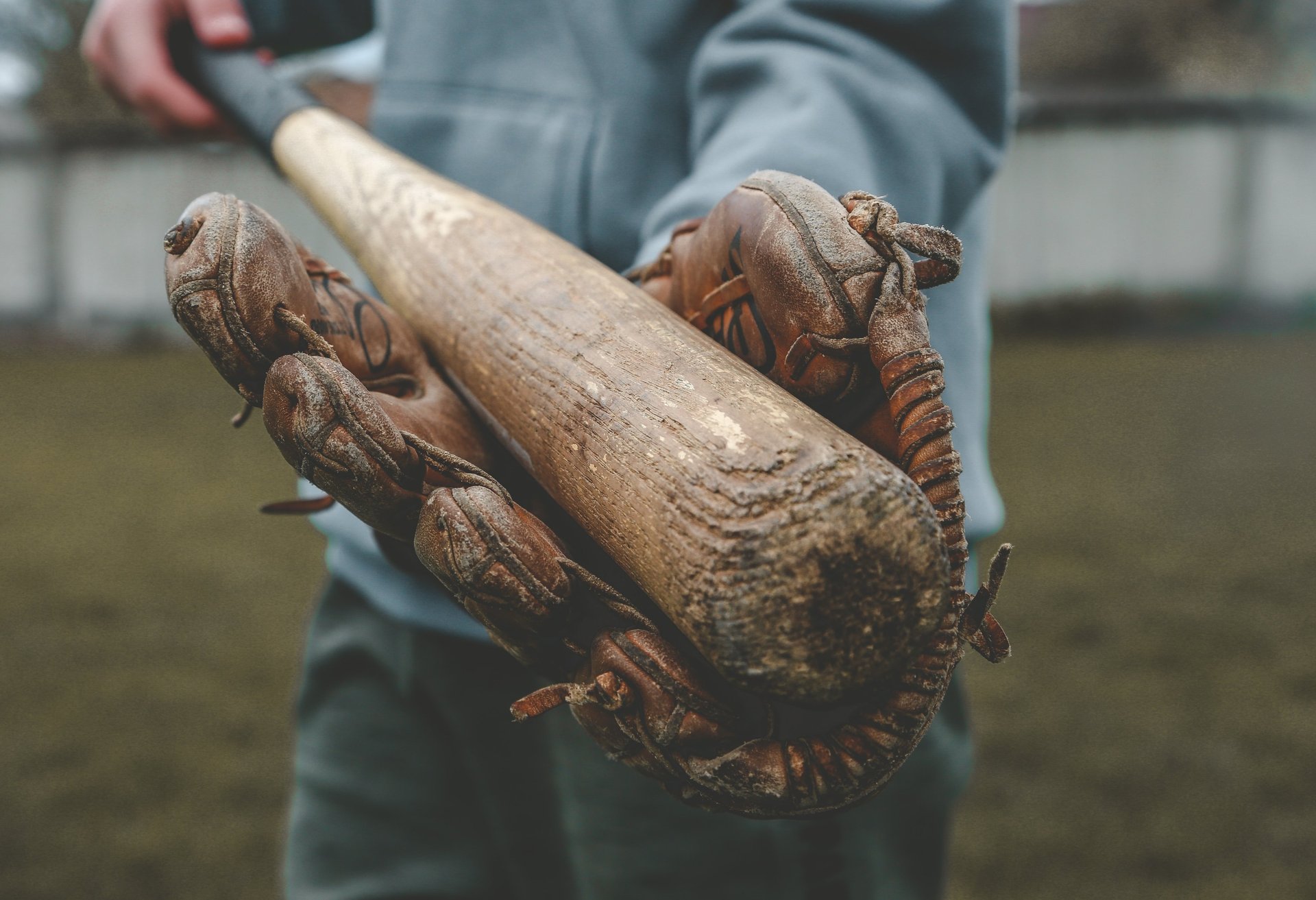
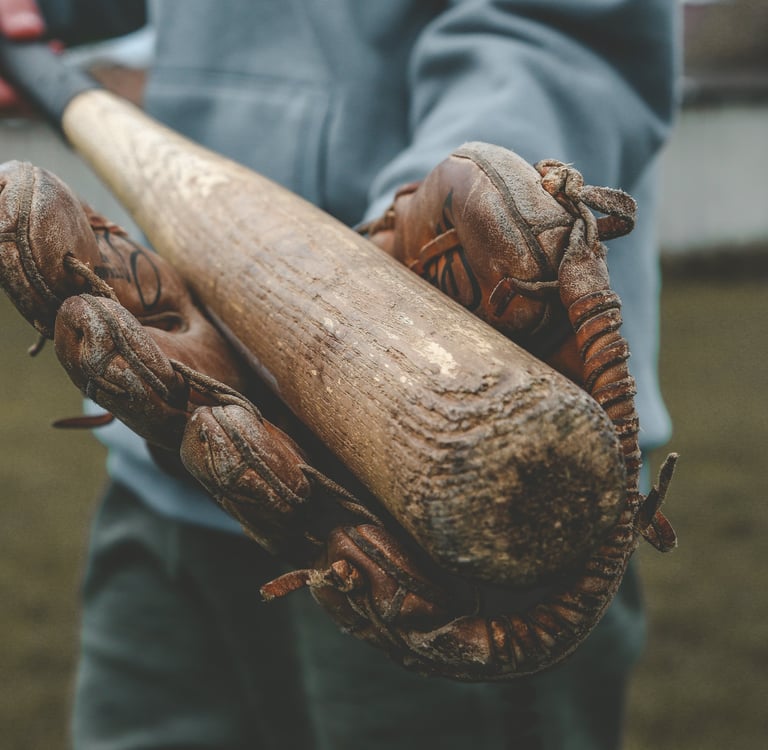
If your athlete is playing travel ball or entering middle school, you’ve probably seen a few kids swinging wood bats — at practice, in the cage, or maybe even in games.
It raises a common question for parents:
“When should my son or daughter start swinging a wood bat?”
It’s a great question — and the answer isn’t one-size-fits-all. But introducing wood bats at the right time (and in the right way) can actually help players improve their swing mechanics, barrel awareness, and contact consistency.
At Swing Lab, we encourage players to work with wood bats in training — sometimes earlier than you might expect.
Let’s break down the benefits, what to watch for, and how to know when your athlete is ready.
Why Train With Wood Bats?
Unlike metal or composite bats, wood bats offer less forgiveness. That might sound like a bad thing — but it’s actually a powerful development tool.
Key benefits of wood bats:
- Immediate Feedback
Mishit a ball on a metal bat? You might still get a hit. Mishit with a wood bat? You’ll feel it — and you’ll know what needs to be adjusted.
- Better Barrel Awareness
The sweet spot on a wood bat is smaller. That forces hitters to refine their timing, swing path, and contact point — leading to more consistent barrels over time.
- Stronger Hands & Wrists
Wood is heavier and more end-loaded than most youth metal bats. Swings with wood can help build bat strength and improve bat control.
- Better Mechanics Over Power Hacking
Metal bats can create bad habits — like casting or rolling over — that still produce hits. Wood forces cleaner mechanics to get results.
- Confidence in Transitioning to Higher Levels
High school and college players often train or play with wood in showcases and fall leagues. Getting familiar with it early builds comfort and trust.
When Can Players Start Using Wood?
Most players can begin introducing wood bats into their training around age 11–13 — even if they’re still playing games with metal or composite.
This is typically when:
Strength and bat speed are improving
Swing mechanics are more repeatable
Players are ready for more feedback and precision
Bat control becomes more important than raw contact
That said, every athlete is different. Some players may benefit from starting with wood earlier in controlled practice settings (even at age 9–10), while others might need more strength development before they’re ready.
The key isn’t age — it’s readiness.
How to Introduce Wood Bats the Right Way
- Start in Training, Not Games
Begin with tee work, front toss, and soft toss. Let the athlete adjust to the feel and weight before jumping into live or game-speed swings.
- Use Proper Sizing
Don’t just grab a bat off the rack. Choose a length and weight that’s manageable — typically 1–2 ounces heavier than their metal bat, but still controllable.
- Alternate With Metal or Hybrid
Mix in wood bat sessions during the week alongside metal bat reps. This helps reinforce feel without overloading the hitter.
- Watch Contact Quality, Not Power
Expect exit velocity and distance to drop slightly at first. That’s okay — the goal is to develop better contact, not just crush balls.
- Use It for Intentional Work
Wood bats are great for swing drills that focus on posture, barrel path, and connection — like high tee work, opposite-field hitting, or timing drills.
What Type of Wood Bat Should They Use?
When introducing wood for the first time, here are a few tips:
Maple or Birch are more durable than Ash for beginners
Balanced models (e.g., 271 or 110) are easier to control
Training bats (short barrel, skinny handle) can be great for barrel awareness
Avoid heavy-end loaded bats unless the player is physically ready
Bonus: You can also use fungo bats or youth training wood bats for tee work and dry reps if the player isn’t ready for full swings yet.
When Should They Play Games With Wood?
In general, save wood bats for training unless:
The athlete is strong enough to maintain bat speed and control
The league allows it
The player is preparing for showcases or college-style events
They’ve shown consistent quality contact with wood in practice
Most players won’t fully switch to wood in games until high school or wood-bat tournaments — but getting familiar with it earlier makes that transition easier and smoother.
Final Thoughts
Introducing wood bats into training is one of the best ways to build better hitters. It forces players to refine their mechanics, improve barrel control, and learn from every swing.
While there’s no exact age to start, most players can begin incorporating wood around ages 11–13 — as long as it’s done with the right approach, sizing, and intent.
If you’re not sure if your athlete is ready — or you want help selecting a bat and designing a wood-bat training plan — reach out to Swing Lab. We’ll help you take the guesswork out and build a swing that plays with any bat in any situation.
from: Diana Polekhina
Excuses don't get walk-offs
get in the lab:
info@lexasport.com
+1 (972) 638-0872
© 2025. All rights reserved.
NTX Swing Lab is a division of LEXA Sport