
Should My Child Play Baseball Year-Round?
Is playing baseball year-round the right move for your child? Learn the pros, cons, and expert recommendations to avoid burnout and support long-term development.
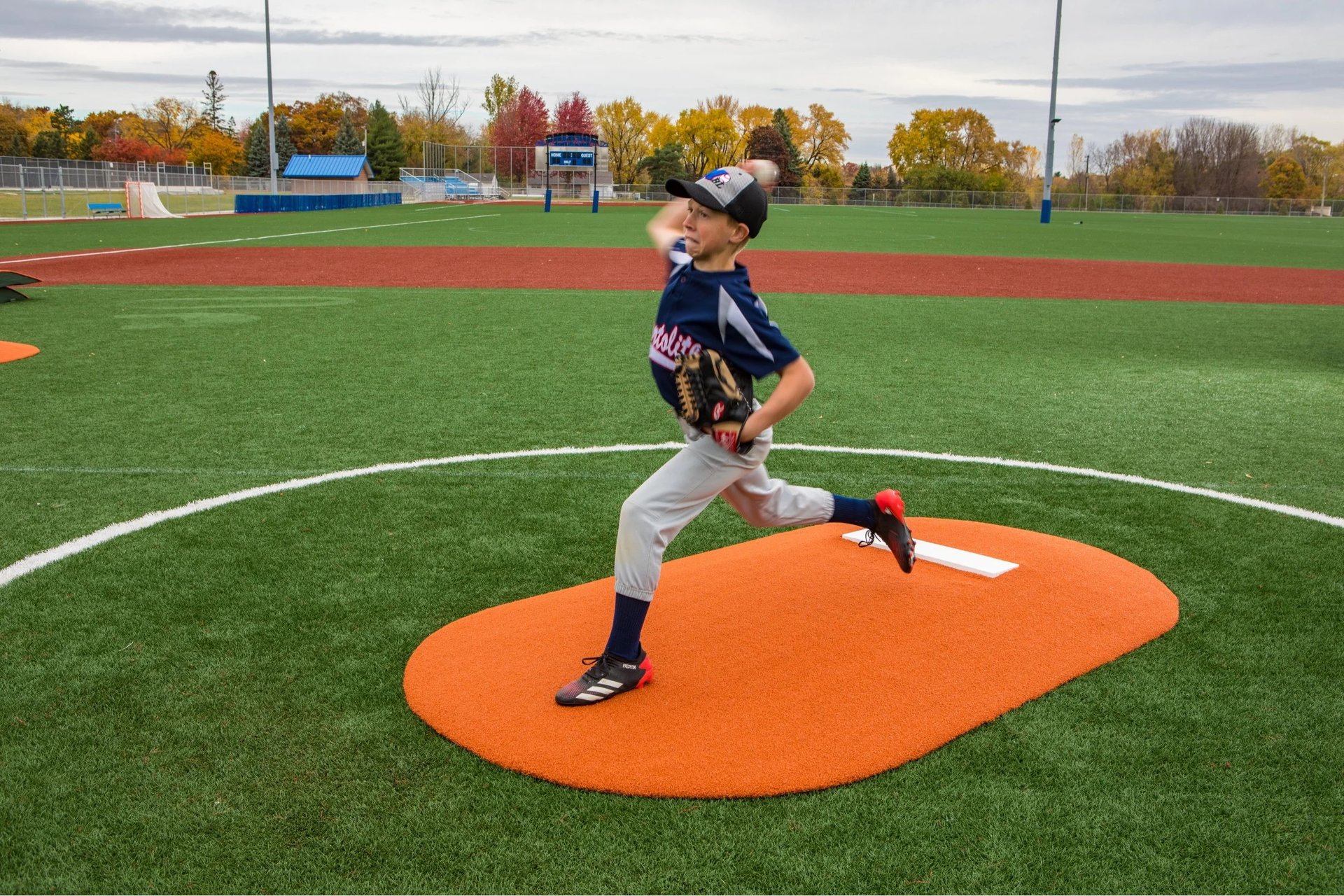
As travel ball and competitive youth leagues expand, more parents are asking a big question:
“Should my child be playing baseball all year?”
It’s a valid concern. Between spring rec, summer travel, fall ball, private lessons, and winter clinics, young players can stay on the field 10–12 months a year. But is that healthy? Is it even helpful?
At Swing Lab, we’re deeply invested in long-term player development — not short-term performance. In this article, we’ll break down the pros and cons of year-round baseball, and give you the best strategies to avoid burnout, reduce injury risk, and support your child’s physical and mental growth.
The Rise of Year-Round Baseball
In recent years, youth baseball has evolved from a seasonal sport into a nearly year-round commitment. With more opportunities than ever — from travel teams to indoor facilities — some families feel pressure to keep playing nonstop to stay competitive.
But the reality is: more isn’t always better. Especially when it comes to young, growing athletes.
Pros of Year-Round Baseball
Let’s start with the potential benefits:
More Reps & Game Experience
Players who stay active year-round can accumulate more at-bats, more innings pitched, and more game-like situations — which can accelerate development, especially at older levels.
Skill Retention
When players go months without swinging or throwing, mechanics can regress. Consistent practice throughout the year can help maintain rhythm and timing.
Increased Confidence
For some athletes, staying engaged with baseball keeps them mentally locked in, socially connected, and more confident in their abilities.
The Risks of Year-Round Baseball
Now, let’s look at the risks — especially for athletes under 14:
Overuse Injuries
The most common injuries in youth baseball — elbow and shoulder issues — are strongly linked to overuse, especially in throwers who don’t take extended breaks from pitching.
Burnout
Playing one sport all year can take a mental toll. Loss of motivation, anxiety, and reduced enjoyment are common symptoms of burnout in young athletes.
Imbalanced Athleticism
Specializing in one sport too early can limit physical development. Multi-sport athletes tend to be more coordinated, more adaptable, and more resilient.
Missed Opportunities
Focusing exclusively on baseball may prevent kids from discovering other sports they enjoy — or are naturally better suited for.
What the Experts Recommend
The American Academy of Pediatrics and most youth sports medicine professionals recommend:
Delaying sport specialization until at least age 14
Limiting organized sports participation to 8 months per year
Taking at least 1–2 days off per week from structured training
Capping throwing/pitching workloads with enforced rest periods
This doesn’t mean young athletes need to stop moving for four months — it means switching gears.
What Should the Off-Season Look Like?
For youth baseball players, the “off-season” doesn’t mean doing nothing. It’s about training smarter, not harder.
Here’s what an effective off-season looks like:
Stop Throwing for 8–12 Weeks (especially for pitchers)
Focus on Movement, Strength & Mobility
Address Swing Flaws or Mechanical Gaps
Improve Speed, Agility & General Athleticism
Play a Different Sport (basketball, soccer, etc.)
Mentally Recharge
At Swing Lab, our off-season training programs help athletes improve physically without the constant wear-and-tear of gameplay. When spring rolls around, they return stronger, healthier, and more confident.
What About Playing Multiple Sports?
We strongly encourage it.
Multi-sport athletes benefit in ways that directly translate to baseball, including:
Better footwork and agility
Improved spatial awareness and reaction time
Reduced injury risk from repetitive movements
Enhanced competitiveness and confidence
Greater enjoyment and reduced pressure
College coaches often look for multi-sport athletes because they tend to be more coachable, durable, and versatile.
Finding the Right Balance
So, should your child play baseball all year?
The answer depends on their age, goals, and temperament — but here’s our general rule:
Ages 7–12: Play seasonal baseball, take full off-seasons, and participate in multiple sports. Skill work in the winter is fine, but don’t play in competitive leagues year-round.
Ages 13–15: Begin layering off-season skill training and physical development, but still allow for extended breaks from throwing and competition. Multi-sport participation is still encouraged.
Ages 16+: As goals become more serious (e.g., varsity, showcase, college), training becomes more sport-specific. However, structured off-seasons and rest are still essential.
Final Thoughts
More baseball doesn’t always mean better baseball.
At Swing Lab, we’re big believers in the long game. That means avoiding burnout, building durable athletes, and developing well-rounded players who actually enjoy the sport — not just endure it.
Year-round baseball may work for some, but it’s not the best path for most. What’s more important is consistent, intentional training with built-in rest and a long-term plan.
Not sure how to structure your athlete’s off-season for better development and less burnout? Contact Swing Lab today — we’ll help you build a smart, balanced plan that keeps your player healthy, motivated, and ready for what’s next.
from: portolite
Excuses don't get walk-offs
get in the lab:
info@lexasport.com
+1 (972) 638-0872
© 2025. All rights reserved.
NTX Swing Lab is a division of LEXA Sport