
How to Train Indoors When It’s Too Cold for Baseball Outside
Don’t let winter weather stop your development. Here’s how baseball players can train indoors during the off-season with drills, workouts, and mindset tips that keep you sharp.
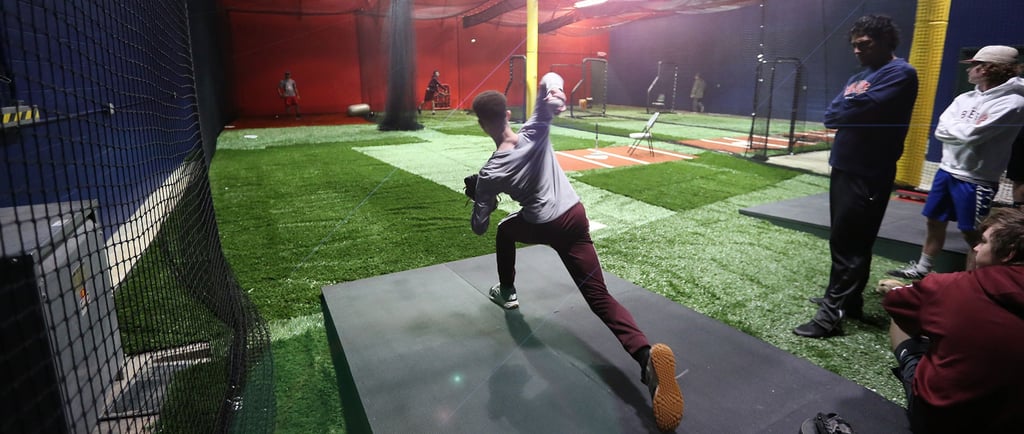

Cold weather doesn’t have to freeze your progress. For serious baseball players, winter is one of the best times to build new skills, clean up mechanics, and get ahead of the competition — you just need the right approach.
Whether you're training in a garage, basement, gym, or indoor facility like Swing Lab, there are plenty of ways to stay sharp, stay strong, and stay motivated during the winter months.
Here’s how to train indoors effectively when it’s too cold to play baseball outside.
Why Indoor Baseball Training Matters
When temperatures drop and fields close, many players hit pause. That’s a missed opportunity.
Indoor training allows you to:
Focus on mechanics without game pressure
Get quality reps in a controlled environment
Build strength, flexibility, and mobility
Work on weaknesses and refine fundamentals
Stay in rhythm before spring tryouts or tournaments
With a little creativity and consistency, you can make huge gains without ever stepping on a field.
Indoor Training Priorities
Here’s what should be part of your weekly indoor routine:
1. Hitting Mechanics
Tee work: Set up a net or impact bag in your garage or basement
Mirror drills: Check posture, hand path, and barrel angle
Short-bat drills: Great for timing and contact focus
Exit velocity tracking (if available): Use a HitTrax or Blast Motion sensor to monitor swing quality
Tip: Quality > quantity. Slow, controlled reps build better habits than 100 rushed swings.
2. Strength & Mobility
Focus on hips, core, shoulders, and rotational strength
Bodyweight circuits (lunges, planks, push-ups, band pulls)
Use resistance bands or light kettlebells/dumbbells
Mobility work (hip openers, thoracic spine, ankle flexibility)
Tip: 2–3 focused strength sessions per week will make a big difference by spring.
3. Throwing & Arm Care (No Field Needed)
J-band work: Strengthens the shoulder and builds stability
Plyocare or weighted ball drills (with supervision)
Mirror throwing drills: Rehearse your arm path and mechanics
Wall drills or sock drills (inside a safe space)
Tip: Start with a structured ramp-up plan before the full throwing season begins.
4. Fielding Footwork & Glove Work
Even without a partner, you can work on:
Glove taps with a tennis ball or small foam ball
Short-hop drills against a wall
Quick-feet ladder or cone drills
Transfer drills: Fielding into simulated throws
Tip: Focus on posture, glove angle, and tempo. A few minutes daily adds up fast.
Sample Indoor Baseball Training Schedule
Here’s a simple weekly plan for youth and teen players during the winter:
Monday
Tee work (30 swings)
Mobility routine
Arm care + band work
Tuesday
Strength circuit (bodyweight or light weights)
Mirror hitting drills
Glove work (short hops, transfers)
Wednesday
Off or light active recovery
Thursday
Tee work (contact focus)
Ladder footwork drills
Core & shoulder mobility
Friday
Arm care
Mirror or dry throwing mechanics
Strength training
Saturday
Live BP or cage session (if available)
Defense circuit
Goal setting or mental reps
Sunday
Rest or optional light movement
What You Can Use to Train Indoors
A net or hitting station
Batting tee
Resistance bands
Glove + soft balls
Mirror (for posture drills)
Small space + creativity
If you have access to an indoor facility like Swing Lab, you can also benefit from:
HitTrax swing analysis
Video review and coaching
Structured lessons with data tracking
Group classes or clinics for added reps
Final Thoughts
Winter doesn’t mean “off.” It means “off-field.” And that’s where real development happens.
Don’t let cold weather slow down your goals. With the right indoor plan, you can:
Clean up your mechanics
Build a stronger, healthier body
Stay confident heading into tryouts
Separate yourself from players who stop training
Need help building your winter plan? Swing Lab offers indoor training programs for players of all ages — with swing analysis, strength development, and skill-specific coaching all under one roof.
Let’s get to work — spring will be here before you know it.
from: santos baseball
Excuses don't get walk-offs
get in the lab:
info@lexasport.com
+1 (972) 638-0872
© 2025. All rights reserved.
NTX Swing Lab is a division of LEXA Sport