
Best Multi‑Sport Training Habits That Translate to Baseball
Discover the best multi‑sport training habits that benefit baseball players. Learn how engaging in multiple sports improves athleticism, reduces injury risk, and enhances long‑term development.
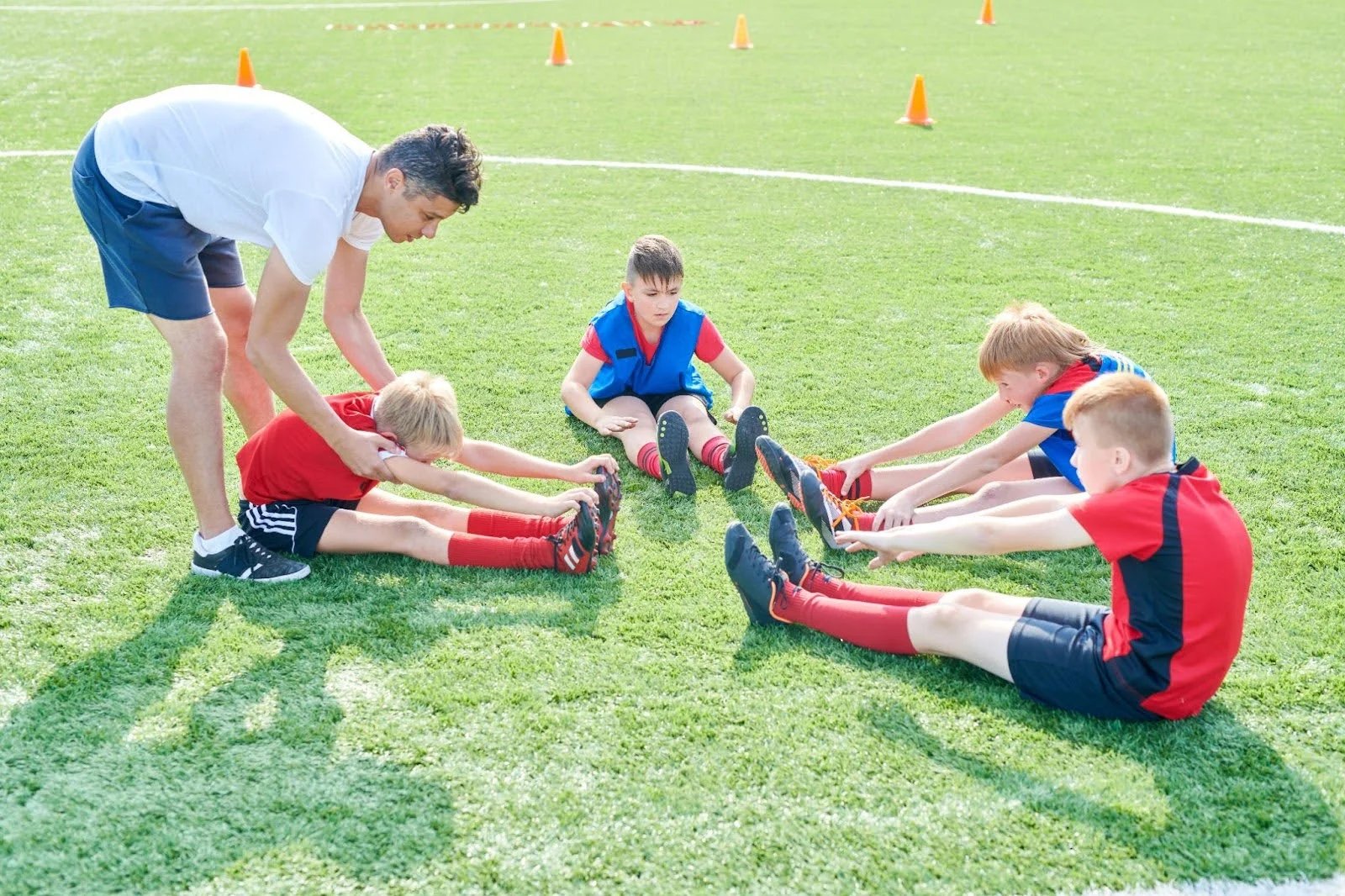
Early specialization in youth sports is becoming more common—but that doesn’t mean it’s better. In fact, playing multiple sports throughout childhood offers powerful benefits for young baseball players.
At Swing Lab, we believe that a well-rounded athlete performs better and stays healthier. This guide will show you how multi‑sport participation builds better baseball players through improved athleticism, reduced injury risk, and increased passion for the game.
Why Multi‑Sport Training Matters for Baseball Players
1. Reduces Overuse Injuries
Specializing in one sport—like baseball—often means repeating the same motions endlessly, which increases the risk of injuries like Little League shoulder, elbow tendonitis, or rotator cuff strains. Playing different sports gives overworked muscles and joints time to recover while training others.
Basketball, soccer, and swimming are great examples of cross‑training that ease the strain from repetitive baseball motions.
2. Builds Balanced Athleticism
Each sport develops different physical skills—soccer enhances footwork and endurance, swimming strengthens the core and shoulders, basketball improves agility, and track & field builds speed and explosiveness. Multi‑sport training creates more adaptable and dynamic athletes.
3. Enhances Coordination & Reaction Time
Sports like tennis, hockey, or table tennis sharpen hand‑eye coordination and reaction speed—critical for hitting and fielding in baseball.
4. Prevents Burnout and Keeps Sports Fun
Over-specialization can lead to mental fatigue, distraction, or quitting altogether. Playing multiple sports keeps training fresh and enjoyable, helping kids stay passionate longer.
5. Develops Mental Resilience & Adaptability
Each sport brings its own challenges—new strategies, team dynamics, and competition styles. Facing these situations helps young athletes adapt, problem-solve, and stay confident under pressure.
6. Enhances Social & Leadership Skills
Multi-sport athletes engage with different coaches, teammates, and roles, building social adaptability, teamwork, and leadership traits across contexts.
7. Supports Long-Term Athletic Success
Many elite baseball players—like MLB stars—played multiple sports growing up, giving them a more complete athletic base. Multi-sport athletes tend to avoid early burnout and stay injury-free longer, increasing their chances of success at higher levels.
A Look at the Research
Experts consistently recommend delaying specialization to allow youth athletes to diversify their physical experiences. This approach reduces injuries, enhances enjoyment, and promotes athletic longevity.
How Coaches & Parents Can Encourage Multi‑Sport Training
Promote variety through middle school: Encourage participation in different sports—such as soccer in fall, basketball in winter, and baseball in spring.
Keep sessions age-appropriate and fun: Focus on play-based learning rather than pressure or wins.
Incorporate cross-training year-round: Add activities like swimming, agility drills, or bodyweight exercises to complement baseball training.
Monitor workload: Ensure kids get sufficient rest and recovery time—even between sports.
Let kids explore: Let them try and choose the sport they enjoy most—this builds lifelong athletic identity and motivation.
Final Takeaways
Multi-sport training isn't just good for baseball—it’s essential for developing healthier, happier, and more versatile athletes. Here’s what multi-sport training offers:
Balanced muscle development and reduced injury risk
Enhanced agility, coordination, and athleticism
Mental resilience, adaptability, and reduced burnout
Social development and leadership through diverse team experiences
A longer, more passionate athletic journey
If you’d like help building a balanced, multi-sport training schedule that supports baseball development, book a consultation at Swing Lab. We’ll help your athlete train smarter—and love the process.
from: freepik
Excuses don't get walk-offs
get in the lab:
info@lexasport.com
+1 (972) 638-0872
© 2025. All rights reserved.
NTX Swing Lab is a division of LEXA Sport